




Understanding the Importance of Storytelling in Client Proposals
Engaging Clients Beyond Facts and Figures
Storytelling transforms a standard proposal into a compelling narrative.
Clients connect more deeply with stories than with raw data alone.
Thus, storytelling captures attention and fosters emotional engagement.
For example, Marissa Bennett from Crestline Solutions uses stories to highlight client successes.
Consequently, clients see the real-world impact of the proposed solutions.
Building Trust and Credibility
Stories reveal your understanding of the client’s unique challenges.
They demonstrate empathy and a client-centered approach.
Therefore, storytelling enhances trust between the client and your team.
James Albright of Meridian Consulting often shares case stories to illustrate expertise.
This approach reassures clients about your capability to deliver results.
Clarifying Complex Ideas and Solutions
Proposals often include technical concepts that can overwhelm clients.
Storytelling breaks down complex ideas into relatable scenarios.
For instance, a narrative about a past project’s journey simplifies understanding.
Similarly, it highlights how your solution fits the client’s needs perfectly.
Hence, storytelling aids in making the proposal more accessible and persuasive.
Making Your Proposal Memorable
Unique narratives help your proposal stand out from competitors.
Clients remember stories far longer than simple lists of features.
Elaine Summers at GreenWave Marketing credits storytelling for winning key contracts.
Moreover, stories create emotional connections that influence decision-making.
Thus, effective storytelling increases the likelihood of proposal success.
Key Elements of Effective Storytelling in Proposals
- Focus on the client’s goals, challenges, and success potential.
- Create characters that represent client stakeholders to personalize the story.
- Use a clear beginning, middle, and resolution structure within the narrative.
- Incorporate real examples and outcomes to build authenticity.
- Maintain concise and clear language to keep clients engaged throughout.
Identifying the Core Message and Unique Value Proposition
Clarifying Your Core Message
Your core message conveys the fundamental idea behind your proposal.
It highlights the most important benefit you offer to your client.
Therefore, clarity is key to ensure your message resonates strongly.
Begin by understanding your client’s primary needs and challenges.
Then, align your message to address those specific pain points effectively.
As a result, your proposal will feel tailored and deliberate.
Defining the Unique Value Proposition
Your unique value proposition (UVP) differentiates your service from competitors.
It clearly states why your approach is better or distinct.
Consider what specific strengths or experiences your team brings.
For example, Blue Horizon Media excels through data-driven storytelling techniques.
Moreover, emphasize any exclusive methods, technology, or expertise you possess.
Highlight these factors to build trust and credibility with clients like Sterling Technologies.
Strategies to Discover and Communicate the Core Message and UVP
Start by brainstorming key benefits your proposal delivers.
Next, evaluate feedback from past clients such as Bright Horizons Design Group.
Such insights help sharpen your focus on valuable outcomes.
Use concise language that is easy for decision-makers to understand.
Additionally, employ storytelling elements to make your message memorable.
For instance, narrate how a previous partnership transformed a client’s operations.
Finally, test your message with colleagues like marketing strategist Amina Patel.
This ensures it remains impactful and free from jargon.
Organizing Your Message for Maximum Impact
Structure your proposal around the core message to maintain coherence.
Introduce the UVP early to capture attention immediately.
Support claims with concrete examples, data, and testimonials.
Furthermore, use bullet points or lists to clarify benefits clearly.
- Emphasize efficiency gains
- Highlight cost savings
- Showcase innovative solutions
Consistent reinforcement of your unique value secures client confidence.
Ultimately, a well-identified message guides every section of your proposal.
Structuring a Compelling Narrative That Resonates with Clients
Understanding the Client’s Perspective
Start by researching the client’s business and industry thoroughly.
Identify their challenges, goals, and values clearly.
This knowledge helps craft a story that speaks directly to their needs.
Moreover, tailoring your narrative to their perspective builds trust and relevance.
Creating an Engaging Beginning
Begin with a strong hook that captures attention immediately.
For example, use a relatable scenario or a surprising fact relevant to the client’s situation.
This approach establishes emotional connection early on.
Then, introduce your unique value proposition clearly and succinctly.
Developing the Middle with Meaningful Content
Present your proposal as a solution to the client’s specific problem.
Use storytelling techniques such as characters, conflict, and resolution.
Describe how your team, like the expert consultant Rachel Miller, understands and addresses these challenges.
Furthermore, include real-world examples or case studies to illustrate success.
Break down complex ideas into clear, digestible points to maintain engagement.
Highlighting Benefits and Differentiators
Focus on the tangible benefits your proposal offers the client’s business.
Explain how your approach differs from competitors, emphasizing unique strengths.
For instance, emphasize innovative methods used by Summit Strategies to achieve results.
Additionally, highlight any cost savings, efficiency improvements, or growth opportunities.
Concluding with a Strong Call to Action
End your narrative with a clear and motivating call to action.
Encourage clients to take the next step, such as scheduling a meeting or approving the proposal.
Ensure the tone remains positive and forward-looking to inspire confidence.
This final step reinforces your commitment to the client’s success and partnership.
Structuring the Proposal Visually
Organize the content with clear headings and subheadings for easy navigation.
Use bullet points or numbered lists to highlight key information effectively.
Incorporate visuals like charts or infographics when appropriate to support your story.
Finally, maintain a clean and professional design that enhances readability and impact.
See Related Content: Common Pitching Mistakes and How Nigerian Freelancers Can Avoid Them
Incorporating Emotional Triggers to Engage and Persuade
The Power of Emotional Connection
Emotions drive decisions more than facts alone.
Therefore, appealing to feelings enhances client engagement.
For instance, Maria Sterling from LuminaTech uses storytelling to evoke hope and trust.
This emotional bond builds a strong foundation for persuasion.
Moreover, narratives help prospects visualize positive outcomes vividly.
Identifying Key Emotional Triggers
Successful proposals tap into universal emotional triggers.
These include security, achievement, belonging, and recognition.
Take Jordan Blake of Horizon Marketing, who highlights security to reassure clients.
Additionally, emphasizing achievement inspires confidence and motivation.
Belonging appeals by showing how clients join a community or movement.
Recognition triggers pride by demonstrating the client’s potential for distinction.
Techniques to Embed Emotional Elements
Begin by crafting relatable characters or client scenarios.
Next, use vivid, sensory-rich language to make the story immersive.
For example, Solara Solutions shares stories depicting clients overcoming challenges.
Then, connect emotionally charged moments to your proposed solution.
Calls to action should inspire excitement and a sense of urgency.
Finally, testimonials from thrilled clients, like those at Meridian Consulting, reinforce trust.
Balancing Emotion with Data
Although emotion influences decisions, data legitimizes claims.
Integrate compelling statistics alongside emotional narratives.
By doing this, Olivia Chen from Nexa Designs enriches credibility without losing warmth.
Moreover, numbers satisfy analytical clients who seek logical assurance.
This balance ensures proposals appeal to both heart and mind.
Creating Lasting Memories Through Emotional Stories
Stories that evoke emotion linger longer in clients’ memories.
Additionally, unique narratives distinguish your proposal from competitors.
Clients like those of Evergreen Solutions recall these stories during critical decisions.
Therefore, emotional storytelling increases the chance of winning projects.
Ultimately, this approach transforms proposals into meaningful conversations.
Discover More: Why Simplicity is Key to Crafting Winning Proposals
Using Real-Life Examples and Case Studies to Build Credibility
Enhancing Trust Through Authentic Stories
Real-life examples make proposals more relatable and trustworthy.
Clients connect better with genuine success stories.
Therefore, including authentic case studies strengthens your credibility.
This approach demonstrates your proven track record effectively.
Furthermore, stories engage clients emotionally, encouraging positive responses.
Illustrating Impact With Specific Case Studies
Case studies showcase concrete results your solutions have achieved.
For example, Momentum Analytics increased client revenue by 30% within six months.
Similarly, Brightwave Marketing boosted brand awareness for Cascade Apparel considerably.
These examples prove your capability beyond mere promises.
Consequently, case studies build confidence in your expertise.
Structuring Case Studies for Maximum Effect
Begin with the client’s challenge to set the context clearly.
Next, describe your unique approach and strategies applied.
Then, highlight measurable outcomes and positive client feedback.
Finally, include visuals like charts to reinforce key points.
This structure ensures clarity and emphasizes your value proposition.
Using Client Testimonials to Complement Narratives
Testimonials add a personal dimension to your proposals.
Sophia Reynolds from Blue Ridge Technologies praised the communication throughout the project.
Moreover, Ethan Kim of Zephyr Design highlighted the innovative solutions provided.
These endorsements affirm your reliability and professionalism.
Together with case studies, testimonials create a compelling narrative.
Adapting Stories to Align With Client Needs
Customize examples to address your prospective client’s industry.
For instance, show how you helped a healthcare company improve efficiency.
Similarly, present marketing success stories if speaking to media clients.
This tailored storytelling resonates more deeply with decision-makers.
Thus, adapting narratives increases the chances of winning proposals.
See Related Content: The Role of Visuals in Freelance Proposals That Win
Balancing Creativity with Professionalism in Proposal Writing
Integrating Creativity to Capture Attention
Creativity plays a vital role in making proposals stand out from competitors.
First, use engaging narratives to connect with the client’s goals.
For example, highlighting a success story from Evergreen Solutions helped win a major contract.
Moreover, incorporating unique metaphors can simplify complex ideas effectively.
Creative visuals and fresh language keep the reader interested throughout the proposal.
However, creativity should never overshadow the core message or facts.
Maintaining Professionalism to Build Trust
Professionalism establishes credibility and confidence in your expertise.
Always present your information clearly with proper grammar and tone.
For instance, Brighton Associates ensures every proposal undergoes thorough proofreading.
Additionally, align your style to the client’s industry standards and preferences.
Using data-backed insights enhances your proposal’s reliability and persuasiveness.
Respect deadlines and formatting guidelines to demonstrate your commitment.
Striking the Right Balance
Blend creative storytelling with professional precision to engage clients effectively.
Start with an innovative hook, then support it with solid evidence and clear structure.
Consider the preferences of key decision-makers like Maya Patel at Summit Innovations.
Also, tailor your tone to match the client’s corporate culture and expectations.
Remember, creativity draws attention, while professionalism sustains it.
Collaborate with experienced proposal writers or editors to refine your message.
- Use authentic stories that resonate with client challenges and ambitions.
- Incorporate compelling visuals without compromising clarity and readability.
- Maintain a formal tone but allow personality to shine through thoughtful expressions.
- Ensure every creative element supports your proposal’s strategic objectives.
- Solicit feedback from colleagues like Samuel Price at Blue Peak Strategies for balance.
Ultimately, balancing creativity with professionalism elevates your proposals’ impact.
This balance builds trust and distinguishes your offering in competitive markets.
Discover More: The Secrets of Writing Personalized Pitches That Land Clients
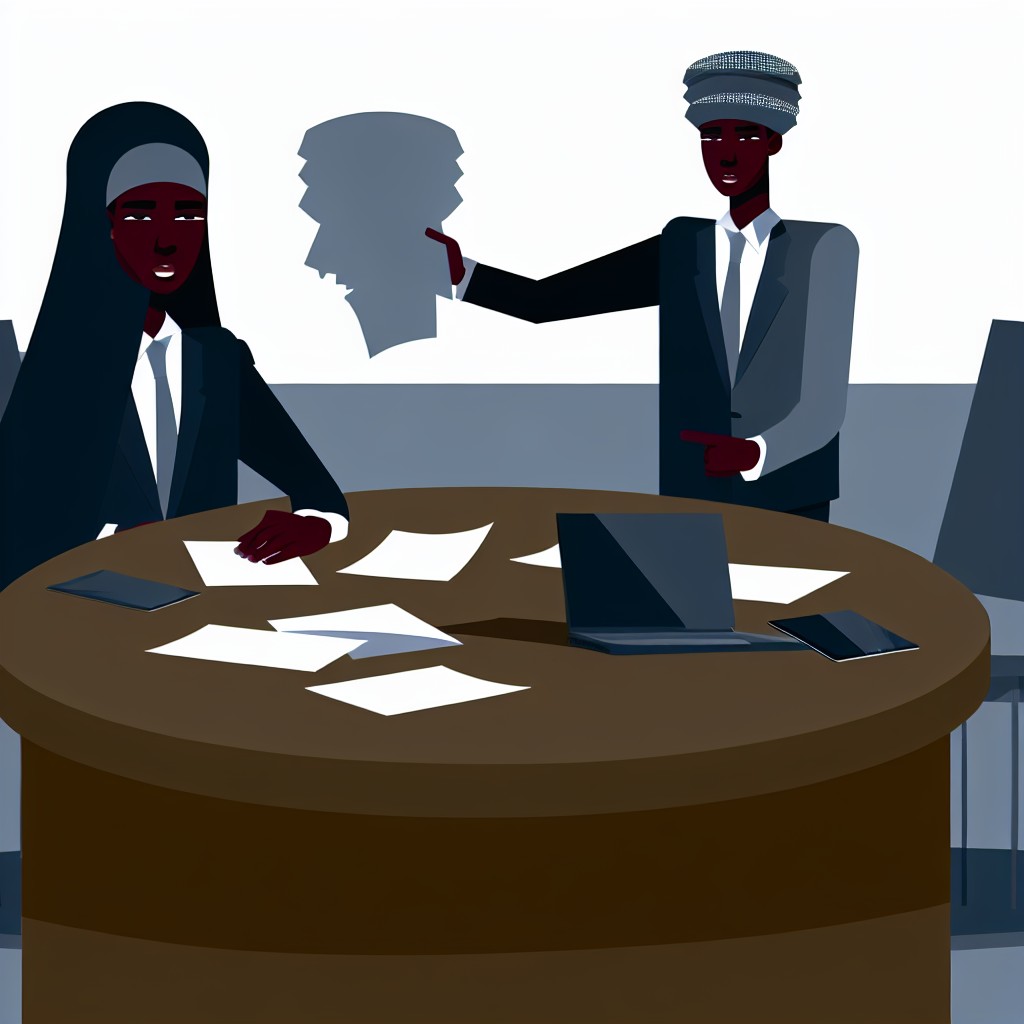
Tailoring Stories to Align with the Client’s Industry and Needs
Understanding the Client’s Industry
Begin by researching the client’s industry thoroughly.
This knowledge allows you to connect your narrative with their specific challenges.
For example, Meridian Finance Group, a fintech company, values security and innovation.
Therefore, proposals for them should emphasize compliance and cutting-edge technology.
Moreover, industry-specific jargon demonstrates your familiarity and builds trust.
As a result, storytelling becomes more relevant and impactful to the client.
Identifying Client Needs Accurately
Engage in conversations with clients to uncover their primary needs.
Listening carefully helps you tailor stories that resonate personally.
Consider BrightWave Marketing, which seeks increased customer engagement.
Your proposal narrative should highlight proven strategies that boost interaction.
By focusing on their pain points, your story shows empathy and insight.
This approach increases the likelihood of winning the client’s confidence.
Crafting Customized Narratives
Once you understand the industry and needs, customize your storytelling approach.
Use real-life case studies that mirror the client’s situation.
For instance, Summit Industrial values efficiency and sustainability.
Share stories demonstrating how your solutions improved those aspects elsewhere.
Furthermore, tailor the tone to match the client’s corporate culture.
A dynamic tech startup might prefer an energetic and innovative story style.
Conversely, a traditional legal firm may respond better to formal and precise narratives.
Incorporating Client-Specific Language and Examples
Integrate terminology unique to the client’s field throughout your story.
This inclusion signals expertise and respect for their business.
Also, reference their recent projects or achievements when suitable.
This personal touch shows dedication and can differentiate your proposal.
Additionally, use data points relevant to their sector to support your claims.
These factual details strengthen credibility and reduce skepticism.
Benefits of Tailored Storytelling in Proposals
- Enhances relevance and captures the client’s attention quickly.
- Builds stronger emotional connections through personalized narratives.
- Demonstrates your commitment to solving their specific problems.
- Increases trust by showcasing industry expertise.
- Improves overall proposal effectiveness and success rates.
Techniques for Crafting Memorable Openings and Strong Conclusions
Creating Engaging Openings
Start your proposal with a compelling story that connects with your client.
This approach instantly captures attention and sparks curiosity.
Use vivid descriptions to paint a picture that resonates personally.
For example, Emily Rivera of Crestview Consulting began with a client success anecdote.
Her narrative made the proposal relatable and inviting from the outset.
Additionally, incorporate a question or intriguing fact to stimulate interest.
Such elements encourage readers to continue exploring your ideas.
Also, clearly state the purpose and benefits early on to set expectations.
This transparency builds trust and guides the reader’s focus effectively.
Techniques for Strong Conclusions
End your proposal by revisiting the opening story to create a satisfying arc.
This technique reinforces your message and leaves a lasting impression.
For instance, Marcus Chen of Horizon Advisory closed his proposals with a forward-looking vision.
His conclusions motivated clients by highlighting potential future success.
Moreover, summarize key benefits concisely to remind readers why your solution fits.
This summary strengthens decision-making and reduces doubts.
Include a clear call to action that guides clients on the next steps.
Such direction improves response rates and drives engagement.
Lastly, express genuine appreciation to build goodwill and foster collaboration.
Additional Tips for Narrative Flow
Use transition words to connect ideas smoothly throughout your proposal.
Words like “therefore,” “moreover,” and “however” enhance readability.
Maintain a consistent tone that reflects your brand personality.
This consistency strengthens your professional identity and client rapport.
Vary sentence structure to maintain reader interest and avoid monotony.
Short, clear sentences paired with periodic complex ones strike the right balance.
Incorporate relevant examples and testimonials to support your unique narrative.
These elements add credibility and increase persuasive power effectively.
Leveraging Multimedia Elements to Enhance Storytelling Impact
Engaging Audiences with Visuals
Visual elements draw attention and complement written narratives.
Furthermore, images create emotional connections instantly.
Clients respond positively when proposals feature relevant graphics.
For example, dynamic charts clarify complex data effectively.
Therefore, incorporating infographics boosts message clarity and retention.
Incorporating Video to Convey Authenticity
Videos add a human touch that written words often lack.
They showcase team expertise through interviews and behind-the-scenes footage.
Moreover, personalized video messages build trust with potential clients.
Projects presented through video engage multiple senses simultaneously.
By embedding concise clips, proposals become more memorable and persuasive.
Using Audio Elements to Enhance Emotion
Audio adds depth and atmosphere to storytelling.
Background music sets the tone without distracting from key points.
Sound effects emphasize important milestones within the proposal.
Additionally, client testimonials narrated in audio form increase credibility.
Listening creates a lasting emotional connection to your proposal.
Interactive Content to Boost Participation
Interactive elements invite clients to explore proposals actively.
Clickable menus and embedded quizzes keep the audience engaged.
Interactive timelines illustrate project phases with clarity and interest.
As a result, clients feel involved in the narrative rather than passive readers.
Ultimately, this involvement increases the likelihood of winning approval.
Optimizing Multimedia for Seamless Delivery
Ensure fast loading times to prevent viewer frustration and drop-off.
Compress files without sacrificing quality for smooth playback.
Test content on various devices and browsers to guarantee accessibility.
Additionally, provide alternative text to support screen readers and SEO.
This attention to detail reflects professionalism and respects client needs.
Measuring the Effectiveness of Storytelling in Winning Proposals
Quantitative Metrics for Assessing Impact
Companies like Blue Ridge Partners track proposal win rates before adopting storytelling.
This data reveals clear improvements in client engagement and conversion rates.
Surveying decision-makers helps understand storytelling’s influence on their choices.
Proposal teams at Meridian Consulting use response time as an indicator of proposal clarity.
Shorter decision timelines often correlate with well-crafted narrative proposals.
Qualitative Feedback from Clients and Teams
Clients frequently share positive feedback about proposals that tell compelling stories.
These narratives make complex solutions more relatable and memorable.
Moreover, internal teams notice increased collaboration when developing story-driven proposals.
Sandra Miller, a proposal manager at Silverline Solutions, reports higher morale and creativity.
Stories inspire diverse teams to contribute unique perspectives and insights.
Case Studies Demonstrating Storytelling Success
The marketing firm UrbanEcho won key accounts by integrating authentic customer stories.
These examples proved storytelling transforms technical data into engaging content.
Similarly, Evergreen Technologies doubled its proposal success rate after focusing on narrative.
They illustrate how storytelling crafts an emotional connection with potential clients.
Such case studies serve as models for teams seeking measurable proposal improvements.
Tools and Techniques for Tracking Storytelling Effectiveness
Proposal software like StoryCraft Analytics offers metrics on reader engagement within proposals.
These tools highlight sections where storytelling captures attention most effectively.
Furthermore, A/B testing different narrative styles helps refine messaging strategies.
Project leads at Titan Solutions use client interviews post-proposal to assess storytelling resonance.
Combining data and direct feedback provides a comprehensive view on narrative success.
Additional Resources
Have you mastered the art of writing proposals – Facebook
How to Find a Literary Agent: The Strategy That Works For My Clients