




The Importance of Contracts in Protecting Nigerian Freelancers from Payment Disputes
Ensuring Clear Payment Terms
Contracts establish clear payment terms between freelancers and clients.
They specify the amount, currency, and deadlines for payments.
Therefore, freelancers like Amaka or Chinedu avoid misunderstandings about fees.
Additionally, contracts describe payment methods, such as bank transfers or mobile money.
This clarity reduces the potential for delayed or disputed payments.
Legal Protection and Enforcement
A signed contract serves as legal proof of agreement for freelance work.
It allows freelancers like Ifeanyi to enforce their payment rights in court if necessary.
Furthermore, contracts discourage clients from withholding payments unfairly.
They create accountability and encourage professional behavior from both parties.
Also, contracts outline penalties or interest for late payments, strengthening protection.
Defining Scope and Deliverables
Contracts clearly define the project scope and expected deliverables.
Thus, freelancers such as Kemi gain protection against scope creep.
Clients cannot demand extra work without appropriate compensation.
Moreover, contracts describe milestones and related payments, ensuring fair compensation.
This structure helps avoid disputes tied to unmet expectations or unclear work outlines.
Building Trust and Professionalism
Contracts foster trust between Nigerian freelancers and their clients.
They demonstrate professionalism and seriousness about the partnership.
As a result, freelancers like Tobechi attract reputable clients who value formal agreements.
Consequently, contracts contribute to sustainable business relationships.
They also provide a foundation for future collaborations based on mutual respect.
Protecting Intellectual Property and Confidentiality
Contracts safeguard freelancers’ intellectual property rights over their work.
They specify ownership and usage rights to prevent misuse or plagiarism.
Additionally, confidentiality clauses protect sensitive client information.
This reassurance encourages open communication and information sharing.
Therefore, contracts protect both parties and maintain professional integrity.
How Contracts Establish Clear Scope of Work and Project Deliverables
Defining the Scope of Work
Contracts clearly outline the tasks that freelancers must complete.
This clarity prevents misunderstandings between clients and freelancers.
For example, Olufunke Adebayo ensures every project detail appears explicitly in her contracts.
By defining the scope, contracts set expectations for both parties.
Consequently, freelancers know exactly what work to deliver and when.
Clarifying Project Deliverables
A contract specifies the tangible outputs the client expects to receive.
For instance, digital marketer Tunde Balogun lists content types, formats, and deadlines precisely.
This transparency reduces the chances of disputes over unfinished or incorrect work.
Moreover, clients like Meridian Partners feel confident because deliverables are documented formally.
Therefore, contracts serve as proof of agreed-upon project outcomes.
Managing Changes During the Project
Contracts include provisions for handling scope changes or additional requests.
This protects freelancers like Chinedu Okafor from unplanned tasks without extra compensation.
Clients also benefit by understanding the process for modifying deliverables.
As a result, both sides stay aligned throughout the project lifecycle.
Ultimately, this reduces confusion and potential conflicts significantly.
Encouraging Professional Commitment
Clearly defined contracts signal professionalism to Nigerian clients.
Freelancers such as Adaobi Nwafor strengthen trust through documented commitments.
This professionalism often leads to more referrals and repeat projects.
Additionally, contracts enable smoother communication on project milestones.
Thus, well-crafted contracts enhance the overall freelance working relationship.
Legal Enforceability of Contracts
Contracts form the foundation of any professional freelance relationship.
In Nigeria, contracts are legally binding documents under the Law of Contract Act.
Therefore, freelancers who sign contracts gain legal protection for their work.
Without a contract, freelancers risk non-payment or exploitation by unscrupulous clients.
Moreover, contracts clearly define the scope, deliverables, and payment terms.
This clarity helps avoid misunderstandings between freelancers and clients like Lumina Design Studios.
Additionally, courts uphold the terms agreed upon in a valid contract.
Consequently, freelancers can seek legal remedies if clients breach their agreements.
Role of Contracts in Dispute Resolution
Contracts include clauses that specify how disputes should be resolved collaboratively.
Typically, contracts identify negotiation or mediation as the first steps to settle conflicts.
This process saves freelancers time and money compared to litigation.
For example, Maple Leaf Productions and freelance designer Amina Yusuf used mediation to resolve a payment delay.
If disputes escalate, contracts allow parties to pursue arbitration or court proceedings.
Arbitration is faster and less formal, which benefits freelancers with limited resources.
Furthermore, well-drafted contracts reduce the risk of disagreements arising in the first place.
They provide a roadmap that protects freelancers like Chukwudi Okeke and his client, BrightWave Technologies.
Contracts serve as tools for preventing and resolving disputes effectively.
Explore Further: Understanding NDAs and Contracts for Nigerian Freelancers Working with Local Brands
Contracts as Tools to Define Timelines and Prevent Scope Creep
Clarifying Project Timelines
Contracts clearly establish the project start and end dates.
They help Nigerian freelancers like Ifeoma balance multiple client projects.
Consequently, clear deadlines enhance accountability and timely delivery.
Clients also appreciate knowing when to expect completed work.
Thus, contracts reduce misunderstandings about project schedules.
Preventing Scope Creep Effectively
Scope creep often causes unpaid extra work for freelancers like Chinedu.
Contracts explicitly define the scope of work and deliverables.
This clarity helps both parties agree on what is included.
Additionally, contracts outline procedures for handling additional requests.
Therefore, freelancers can avoid unexpected extension of tasks without additional payment.
Benefits of Using Contracts for Timelines and Scope
- Enhances trust by setting clear expectations.
- Protects freelancers from scope changes without renegotiation.
- Facilitates better time management and resource allocation.
- Supports professional relationship growth between freelancers and clients.
Ultimately, contracts empower Nigerian freelancers to maintain control of their work.
They ensure projects stay on track and fair compensation is received.
See Related Content: How to Find Affordable Legal Services as a Nigerian Freelancer
The Role of Contracts in Building Professional Credibility and Trust
Establishing Clear Expectations
Contracts set clear expectations between freelancers and their clients.
They define the scope, deadlines, and deliverables precisely.
Consequently, misunderstandings regarding project details reduce significantly.
For example, Kemi Adeboye uses contracts to outline all project deliverables with her clients.
This clarity helps build a strong foundation for working relationships.
Protecting Both Parties
Contracts safeguard freelancers from potential disputes with clients.
Similarly, they assure clients that agreed terms will be honored.
Amara Okeke, a freelance graphic designer, always insists on contracts to avoid payment delays.
Thus, contracts give both sides security and peace of mind throughout the collaboration.
Enhancing Professional Image
Using contracts portrays freelancers as serious and responsible professionals.
It signals that the freelancer values formal business practices.
This professionalism attracts reputable clients like Lagos-based marketing firm GreenLeaf Media.
Moreover, contracts demonstrate that freelancers respect their own time and skills.
Building Long-Term Trust
Consistently honoring contracts fosters trust between freelancers and clients.
Clients such as Ifeanyi Obi appreciate dependable freelancers who deliver as promised.
Therefore, contracts contribute to repeat business and valuable referrals.
Ultimately, trust built by contracts strengthens freelancers’ reputations within Nigeria’s freelance community.
Find Out More: Avoiding Legal Risks When Working with International Clients
Avoiding Misunderstandings by Explicitly Stating Payment Terms and Rates
Clear Communication of Payment Expectations
Nigerian freelancers must communicate payment terms clearly from the start.
For example, Amaka Nwosu states her rates during the initial client meeting.
This approach prevents confusion and builds trust between both parties.
Moreover, stating payment deadlines avoids delays and disputes.
Clients appreciate transparency, which leads to smoother project progress.
Essential Payment Terms to Include in Contracts
Contracts should specify payment amounts to eliminate ambiguity.
Additionally, freelancers like Chukwuemeka Obi include details about payment methods.
They state whether clients should pay via bank transfer, mobile money, or other means.
Including milestones with associated payments helps maintain steady cash flow.
Specifying penalties for late payments encourages timely settlements.
Advantages of Detailed Payment Terms for Freelancers and Clients
Clear payment terms protect freelancers from non-payment and underpayment.
On the other hand, clients gain assurance regarding financial commitments.
This mutual understanding builds professional relationships and encourages repeat business.
Besides, it reduces the risk of costly legal disputes later on.
Thus, explicit agreements benefit both Nigerian freelancers and their clients significantly.
Explore Further: The Freelancer’s Guide to Protecting Intellectual Property in Nigeria
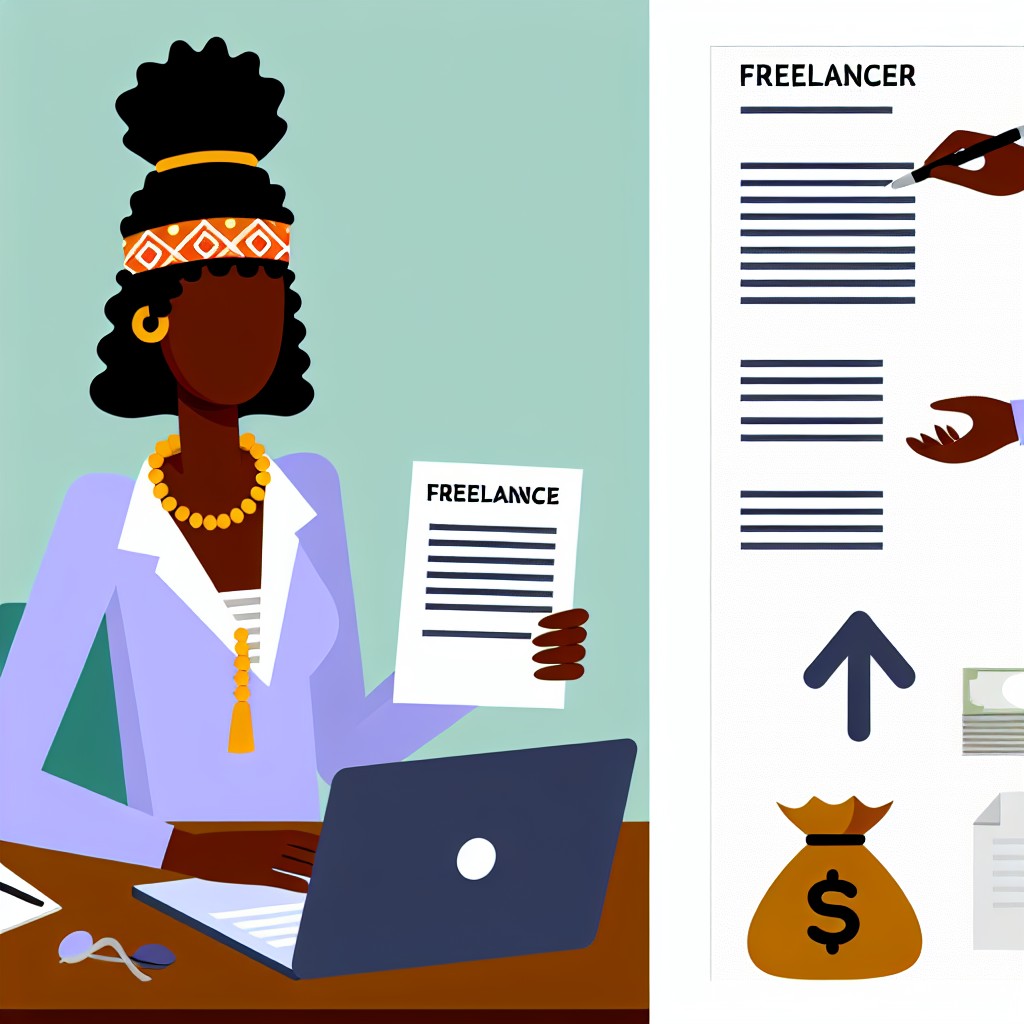
Contracts as Safeguards Against Exploitation and Unfair Working Conditions
Protecting Freelancers from Unfair Practices
Contracts clearly define the scope of work between freelancers and clients.
This clarity reduces misunderstandings that often lead to exploitation.
For example, Tunde Balogun, a Lagos-based graphic designer, always insists on contracts.
He avoids scope creep by getting deliverables and deadlines documented in contracts.
Moreover, contracts set payment terms, ensuring freelancers receive fair compensation on time.
Without contracts, freelancers risk non-payment or delayed payments from clients.
Contracts also outline revision policies to prevent endless unpaid edits.
Hence, Nigerian freelancers shield themselves from unfair treatment through binding agreements.
Ensuring Safe and Professional Working Conditions
Contracts establish professional standards that clients must respect during collaborations.
They sometimes specify work hours or communication protocols to avoid abuse.
For example, Chika Okafor, a freelance software developer in Abuja, uses contracts to set boundaries.
Clients agree to provide necessary resources or access before work begins.
Furthermore, contracts protect freelancers from last-minute task changes without additional pay.
This legal protection encourages respectful and professional interactions with clients.
Legal Recourse and Dispute Resolution
Contracts provide a legal basis for freelancers to seek recourse if clients violate terms.
They often include dispute resolution clauses to handle disagreements amicably.
For instance, contract clauses might specify mediation through Nigerian freelance associations.
This prevents costly and time-consuming court battles in many cases.
Thus, contracts act as formal safeguards that empower freelancers to defend their rights.
Key Contract Elements Nigerian Freelancers Should Include
Clear description of services and deliverables expected.
Payment terms, including amounts, deadlines, and penalties.
Timelines and deadlines for project milestones.
Revision limits and how additional work is compensated.
Confidentiality and intellectual property ownership clauses.
Dispute resolution processes and jurisdiction details.
Including these elements strengthens freelancers’ position in negotiations.
They create transparency and reduce future conflicts with clients.
Why Nigerian Freelancing Market Demands Formal Agreements
Intense Competition Requires Clear Terms
The Nigerian freelancing market is rapidly growing and highly competitive.
Freelancers must stand out through professionalism and reliability.
Formal contracts establish clear expectations between clients and freelancers.
They help avoid misunderstandings that could damage reputations.
For example, Chinedu, a freelance graphic designer in Lagos, uses contracts to protect his work.
Protection Against Payment Risks
Many Nigerian freelancers face delayed or non-payment challenges.
Formal agreements secure payment terms and deadlines explicitly.
Clients like Bright Ideas Media often require signed contracts before starting projects.
This practice reassures freelancers like Ifeoma, a content writer, about earning her fees.
Moreover, contracts provide legal ground to resolve payment disputes when necessary.
Clarification of Deliverables and Deadlines
Contracts clearly define project scope, deliverables, and timelines.
This clarity helps prevent scope creep that often causes delays and dissatisfaction.
For instance, set timelines at Digital Hive Agency enable smooth collaboration with freelancers.
Thus, formal agreements boost accountability and project success rates.
Building Long-Term Client Relationships
Contracts foster trust and professionalism between freelancers and clients.
Trusted freelancers like Adebola frequently sign contracts with repeat clients in Abuja.
Consequently, formal agreements lay a foundation for ongoing partnerships.
This relationship stability benefits both parties through consistent work and quality output.
Essential Advantages of Formal Agreements
- Ensures professionalism amidst stiff market competition
- Protects against payment delays and disputes
- Defines clear project guidelines and deadlines
- Fosters long-term client trust and collaborations
How Well-Drafted Contracts Help Freelancers Manage Client Expectations Effectively
Clear Definition of Project Scope
A well-drafted contract outlines the exact deliverables expected from the freelancer.
For instance, Ifeanyi Okoro clearly stated his design project scope in his agreement.
This clarity prevents misunderstandings about what should be delivered.
Moreover, it ensures that both the client and freelancer share the same vision.
Therefore, unexpected tasks or scope creep are minimized during the project.
Setting Realistic Deadlines and Timelines
Contracts specify clear deadlines for each project milestone.
Chinelo Umeh’s contract included timelines for drafts, revisions, and final delivery.
Thus, clients know when to expect progress updates and final outcomes.
Consequently, freelancers avoid undue pressure from unrealistic time demands.
In addition, it fosters mutual respect and accountability between both parties.
Defining Payment Terms and Conditions
Contracts clearly state payment amounts, schedules, and conditions for freelancers.
For example, Emeka Nwosu’s agreement detailed upfront deposits and final balance payments.
This helps freelancers receive timely compensation for their work.
Also, it reduces disputes over late payments or unclear financial expectations.
Thus, freelancers can focus on delivering quality work instead of chasing payments.
Clarifying Revisions and Feedback Process
Contracts establish the number of revisions included within the project fee.
Adaobi Eze included revision limits and feedback timelines in her writing contract.
This manages client expectations on changes and iteration rounds.
Moreover, it prevents endless revision cycles that delay project completion.
Therefore, both parties agree upfront on a structured feedback process.
Outlining Responsibilities and Communication Channels
Contracts define who handles specific tasks and the preferred communication modes.
For example, Olumide Afolabi’s contract specified weekly Zoom check-ins and email updates.
This keeps communication consistent and transparent throughout the project.
Hence, clients do not expect instant responses outside agreed schedules.
Likewise, freelancers avoid miscommunication and unmet expectations.
Protecting Work Ownership and Intellectual Property
Contracts specify who owns the rights to delivered work products.
Chioma Ibekwe’s freelance photography agreement clarified image usage rights clearly.
This prevents confusion about client usage and freelancer’s portfolio rights.
Consequently, both parties agree on how finished work may be used or shared.
This protection builds trust and safeguards creative contributions effectively.
The Impact of Contracts on Maintaining Long-Term Professional Relationships
Contracts Build Trust Between Freelancers and Clients
Contracts create clear expectations for both freelancers and clients.
They establish trust by defining responsibilities upfront.
Moreover, well-drafted contracts reduce misunderstandings and disputes.
Clients feel more confident working with freelancers who use contracts.
Likewise, freelancers protect their time and deliverables through agreements.
Contracts Ensure Consistency and Professionalism
Using contracts consistently signals professionalism in freelancing careers.
Clients recognize freelancers who value their work’s terms and conditions.
Additionally, contracts standardize processes for project timelines and payments.
This consistency fosters repeat business and referrals from satisfied clients.
Contracts Help Resolve Conflicts Amicably
Disputes may arise in freelancing projects despite best efforts.
Contracts provide a reference point to quickly resolve such conflicts.
They outline procedures for renegotiations or cancellations when needed.
Thus, contracts preserve goodwill and prevent relationships from breaking down.
Contracts Support Long-Term Collaboration Opportunities
Clients prefer freelancers who demonstrate reliability through formal agreements.
Contracts encourage ongoing partnerships by setting terms for future work.
Happy clients often engage freelancers like Chinedu Eze or Amara Okoye repeatedly.
Ultimately, contracts transform one-time gigs into sustained professional relationships.
Additional Resources
Authors, Attribution, and Integrity: Examining Moral Rights in the …
Nigeria introduces tax for remote workers from 2026 | TechCabal …