




The Reality of Inconsistent Income
Understanding Income Variability in Freelancing
Freelancing income rarely follows a fixed monthly pattern.
After layoffs, many Nigerians expect steady payments but face fluctuations.
This inconsistency arises from project-based payments and client availability.
Moreover, payment delays from international clients can add to unpredictability.
Therefore, embracing variable income is crucial for financial stability.
Common Challenges Freelancers Encounter
Freelancers often deal with gaps between projects.
Sometimes, projects end abruptly or payment cycles extend unexpectedly.
Consequently, relying on a single client or platform increases risk.
Unexpected expenses during lean periods intensify financial pressure.
Understanding these challenges helps freelancers prepare more effectively.
Managing Income Effectively After Layoffs
Establishing a Realistic Budget
Start by tracking your monthly expenses meticulously.
Categorize essentials and discretionary spending separately.
Adjust budgets based on average earnings rather than peak income months.
Additionally, prioritize paying bills and essentials before luxury items.
Consistent budgeting prevents overspending during high-earning periods.
Building an Emergency Fund
Create a financial buffer to cover at least three months of expenses.
Begin with small, regular savings from each project payment.
Chinwe Eze, a Lagos-based freelancer, saved steadily and avoided debt crises.
This fund guards against income gaps and unexpected costs.
Consider using fixed savings accounts or digital wallets for easy access.
Diversifying Income Streams
Relying on multiple sources reduces financial vulnerability.
Explore various freelancing niches like content writing, coding, or graphic design.
Platforms like Workana, Upwork, and Fiverr can widen client reach.
Furthermore, sell digital products or consult part-time to supplement income.
Flexibility in work types enhances overall income stability.
Maintaining Transparent Client Relationships
Communicate deadlines and payment terms clearly at project start.
Follow up politely but promptly if payments delay.
Building trust with clients often results in repeat business and referrals.
Oluwatobi Alade from Abuja reports consistent growth by maintaining honest interactions.
This approach minimizes surprises in payment schedules.
Utilizing Financial Tools and Apps
Leverage budgeting and invoicing applications for better financial management.
Apps like PiggyVest and Wallet.ng help track expenses efficiently.
Automate savings and reminders to avoid missed payments.
Digital tools also simplify tax calculations and income records.
Adopting technology boosts disciplined money handling.
The Importance of Building a Strong Personal Brand to Attract Freelance Clients
Defining Your Unique Value
Building a personal brand starts with understanding what sets you apart.
Identify your skills, experience, and passions that appeal to clients.
For example, Jamila Adeniyi specializes in user interface design for fintech startups.
She emphasizes how her unique style solves specific client problems.
Consequently, clients recognize her as a valuable, dependable expert.
Creating an Online Presence
Your online presence is where most clients will find you first.
Start by creating a professional website showcasing your portfolio and testimonials.
Digital strategist Emeka Okafor uses his site to highlight his success stories.
Additionally, maintain active profiles on platforms like LinkedIn and Behance.
Consistent branding across channels builds trust with potential clients.
Networking and Community Engagement
Networking expands your reach and exposes you to new opportunities.
Join relevant online forums, freelance groups, and industry associations.
For instance, Adaeze Eze connects regularly with other freelancers on Slack channels.
Moreover, participating in virtual events sharpens your skills and visibility.
Building relationships often leads to referrals and steady projects.
Delivering Consistent Quality and Reliability
Your personal brand depends heavily on the quality of work you deliver.
Always meet deadlines and exceed client expectations where possible.
Graphic designer Foluso Nwafor gained repeat clients by consistently delivering on time.
Furthermore, clear communication and professionalism reinforce your brand.
Positive reviews and word of mouth grow your freelance business naturally.
Using Testimonials and Case Studies to Build Credibility
Showcasing satisfied clients helps build credibility quickly.
Ask happy clients like Miriam Udo to provide detailed testimonials.
Create case studies that highlight how you solved specific challenges.
This concrete evidence convinces potential clients of your expertise.
Therefore, testimonials become a powerful part of your personal brand.
Navigating the Nigerian Market Versus International Freelancing Opportunities
Freelancing in the Nigerian Market
The Nigerian freelance scene offers unique opportunities and challenges.
Local clients often have limited budgets compared to international ones.
Nevertheless, they value relationships and trust in business dealings.
Therefore, building strong local networks can boost your freelance success.
However, payment delays and negotiation hurdles are common obstacles.
Platforms like Findworka and Asuqu connect freelancers with Nigerian businesses.
Also, sectors like agriculture, fintech, and entertainment demand digital skills.
Finally, local currency fluctuations can impact your earnings significantly.
Exploring International Freelancing Opportunities
International freelancing offers access to higher-paying clients and diverse projects.
Platforms such as Upwork, Fiverr, and Toptal are popular options.
However, competition is fierce, requiring top-notch skills and profiles.
Consequently, freelancers must continuously upgrade their skills and portfolios.
Clients abroad tend to pay faster and offer consistent work.
Moreover, exposure to global standards helps freelancers improve quality.
Time zone differences can cause scheduling challenges but can be managed effectively.
Key Differences to Consider
Local freelancing emphasizes relationship-building and adaptability.
In contrast, international freelancing demands professionalism and meeting strict deadlines.
Payment methods differ greatly between the two markets.
For instance, Nigerians rely heavily on direct bank transfers and mobile payments.
Whereas international clients prefer PayPal, Payoneer, or wire transfers.
Exchange rate fees affect income more when working with foreign clients.
Lastly, language and cultural understanding impact communication success.
Effective Strategies to Succeed in Both Markets
Start by assessing your skills and market demand carefully.
Next, create tailored proposals for local and international clients.
Additionally, build a professional online presence with relevant portfolios.
Join freelance communities such as TechPlus Africa and Freelance Lagos.
Use reliable payment platforms like Remita and Wise to handle finances.
Above all, stay disciplined and proactive in searching for work.
Finally, seek mentorship from seasoned freelancers like Adaobi Nwosu or Emeka Obi.
Discover More: Key Benefits of Freelancing for Nigerian Professionals
Essential Skills Nigerian Freelancers Need to Develop Post Layoffs
Technical Proficiency
Freelancers must continually update their technical skills to stay competitive.
For example, digital marketing experts should master data analytics and SEO strategies.
Software developers need to learn new programming languages like Python or JavaScript.
Graphic designers benefit from gaining expertise in tools like Adobe XD and Figma.
Moreover, familiarity with cloud platforms such as AWS adds significant value.
Effective Communication
Clear and professional communication builds trust with clients remotely.
Nigerian freelancers should improve their writing and verbal skills.
Using simple language often prevents misunderstandings.
Additionally, timely responses demonstrate reliability to clients worldwide.
Platforms like Zoom and Slack enhance real-time interaction.
Time Management and Discipline
Managing time wisely is critical in freelancing to meet multiple deadlines.
Setting a daily schedule helps maintain consistent productivity.
Tools like Trello and Toggl assist in tracking tasks and work hours.
Furthermore, developing self-discipline prevents procrastination and burnout.
Balancing work and rest keeps freelancers motivated and efficient.
Financial Literacy
Understanding basic finance safeguards freelancers from common pitfalls.
Adequate budgeting ensures funds last during periods without projects.
Freelancers should learn to set aside taxes and savings responsibly.
Using apps like PiggyVest or Carbon helps manage income effectively.
Ultimately, financial planning allows for sustainable freelancing careers.
Building a Strong Online Presence
Nigerian freelancers must create professional profiles on platforms like Upwork and Fiverr.
A well-crafted portfolio showcasing quality work attracts better clients.
Regularly updating LinkedIn with relevant skills improves visibility.
Engaging in online communities aids networking and learning opportunities.
Consistency in branding fosters trust and recognition across platforms.
Adaptability and Continuous Learning
The freelancing market evolves rapidly, requiring flexibility from professionals.
Learning new skills or pivoting focus areas broadens job prospects.
Taking online courses on Coursera or Udemy keeps knowledge current.
Moreover, embracing feedback helps freelancers refine their craft.
Adapting to different client needs secures long-term collaborations.
Delve into the Subject: Freelancing for Beginners: Setting Realistic Expectations
How to Create a Diversified Income Stream Beyond Traditional Freelancing Projects
Exploring Passive Income Opportunities
Many freelancers rely solely on client projects for income.
However, creating passive income helps stabilize earnings.
For example, digital products can generate ongoing revenue.
Lekan, a graphic designer in Lagos, sells design templates online.
This approach earns him money while he focuses on other jobs.
Similarly, Olumide publishes e-books on coding tutorials for beginners.
These e-books provide steady sales without constant effort.
Leveraging Online Teaching and Workshops
Another effective method is teaching skills to others.
Many platforms enable freelancers to host paid workshops.
Sandra, a web developer in Abuja, runs monthly live coding sessions.
These sessions enhance her brand and generate income simultaneously.
Besides live workshops, pre-recorded courses attract passive learners.
You can create courses on platforms like Udemy or Teachable.
Consequently, your expertise reaches a broader audience globally.
Utilizing Affiliate Marketing and Sponsorships
Affiliate marketing offers income by promoting relevant products.
If you have a blog or social media following, this works well.
Michael, a freelance writer, earns commissions by recommending writing tools.
He partners with software companies interested in his niche.
Sponsorship deals also provide financial support for content creators.
Thus, diversifying income helps reduce dependence on freelancing alone.
Building a Personal Brand and Offering Consulting Services
Developing a recognizable brand positions you as an expert.
Clients and companies may seek your advice beyond project work.
For instance, Chinedu, a digital marketer, provides social media audits.
He charges for personalized strategies that improve client campaigns.
Consulting can supplement freelancing with higher hourly rates.
Therefore, invest time in networking and showcasing your knowledge.
Investing Time in Side Businesses Related to Your Skills
Side businesses can generate income streams outside typical gigs.
For example, Aisha, a software engineer, developed a mobile app for local farmers.
The app offers real-time market prices, earning revenue through ads.
Similarly, side projects can turn into profitable ventures with growth.
Allocate a portion of your time to innovative ideas that complement freelancing.
This strategic balance strengthens financial resilience over time.
Delve into the Subject: Essential Tools and Platforms for Nigerian Freelancers
The Role of Networking and Online Communities in Sustaining Freelance Careers
Importance of Networking for Nigerian Freelancers
Networking plays a crucial role in building a successful freelance career.
Freelancers connect with potential clients and collaborators through networking.
For Nigerians facing layoffs, these connections open doors to new opportunities.
Moreover, networking helps freelancers stay updated on industry trends and demands.
Establishing relationships with professionals like Efe Adegoke, a Lagos-based graphic designer, can lead to timely project referrals.
Leveraging Online Communities for Support and Growth
Online communities provide a platform for freelancers to share knowledge and resources.
Many Nigerians join groups like Naija Freelancers Hub to exchange job leads and advice.
Additionally, these communities foster a sense of belonging and motivation.
Platforms such as LinkedIn and Twitter enable freelancers to showcase portfolios and expertise.
For example, Chinedu Obi found a steady client through the Digital Nomads Nigeria Facebook group.
Practical Ways to Build and Maintain Connections
Engage actively in relevant online forums and social media groups.
Attend local and virtual networking events hosted by companies like Softworks Lagos.
Offer value by sharing insights and assisting fellow freelancers whenever possible.
Regularly update your online profiles to attract potential clients and collaborators.
Follow influential Nigerian freelancers like Amara Eze to learn tactical approaches.
Advantages of Networking Beyond Client Acquisition
Networking provides emotional support during uncertain freelance periods.
Access to mentorship and skill development opportunities often arises through these connections.
This continuous learning helps freelancers adapt to shifting market demands.
Financial advice and collaboration chances may also result from strong network ties.
Therefore, investing time in building a strong network enhances long-term freelance stability.
Learn More: How Freelancing Empowers Nigerians to Work on Their Own Terms
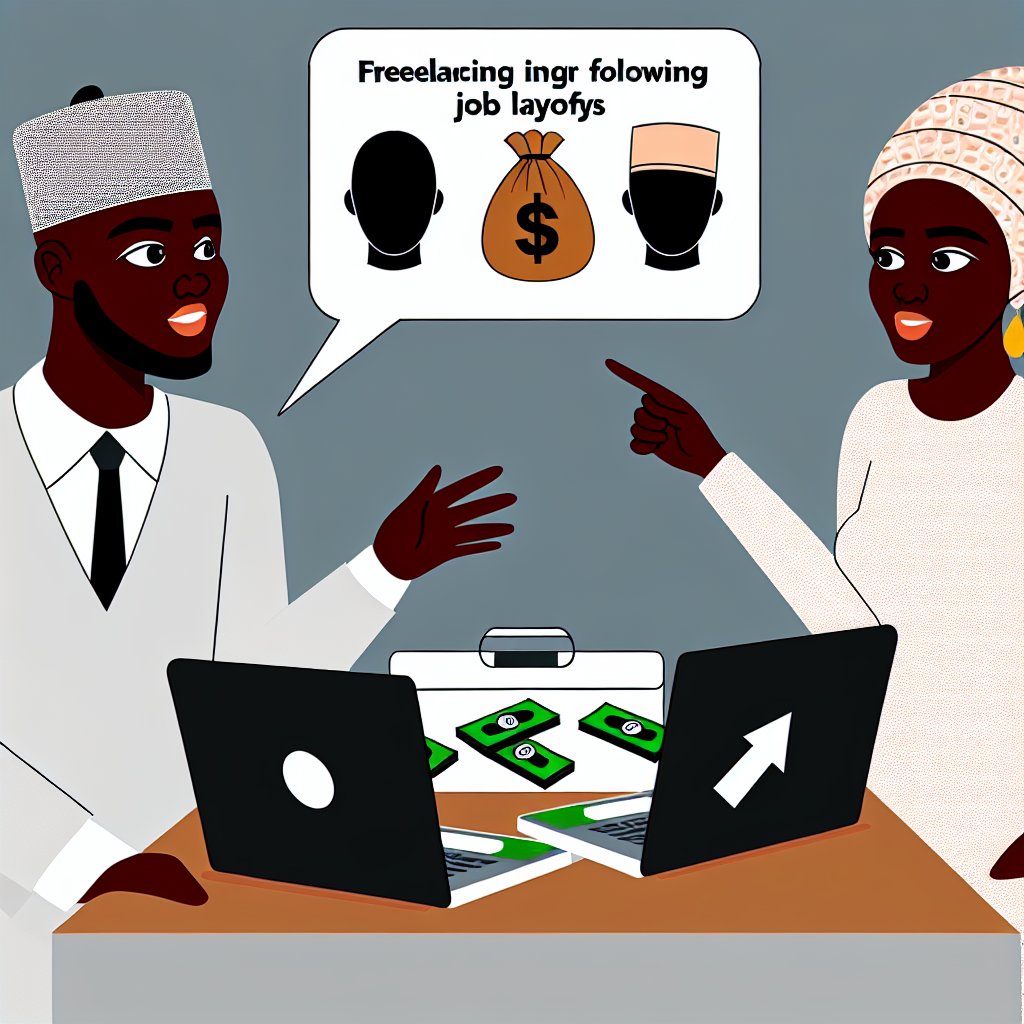
Common Pitfalls Nigerians Face When Transitioning to Freelancing and How to Avoid Them
Unrealistic Expectations About Freelancing
Many Nigerians expect freelancing to provide instant financial stability.
However, it usually takes time to build a reliable client base.
Therefore, patience and persistence are essential during the early stages.
Adjusting expectations can reduce frustration and improve motivation.
Lack of Proper Financial Planning
Freelancers often neglect budgeting for irregular incomes.
In contrast, consistent financial planning ensures sustainability.
Start by tracking all expenses and setting aside emergency funds.
Also, using simple tools like spreadsheets or apps helps manage cash flow.
Inadequate Skill Development
Many jump into freelancing without upgrading relevant skills.
This oversight limits their competitiveness in the global market.
Engage regularly in training programs, webinars, or online courses.
Moreover, mastering communication and project management boosts credibility.
Poor Client Management
Nigerian freelancers sometimes accept projects without clear agreements.
This leads to misaligned expectations and payment delays.
Always draft written contracts and define payment terms clearly.
Additionally, maintaining professional communication fosters trust.
Ignoring the Importance of Networking
Some freelancers rely solely on online platforms without building contacts.
Networking opens doors to referrals and repeat clients.
Attend industry events, join forums, and connect with fellow freelancers.
Consequently, these actions increase visibility and business opportunities.
Overlooking Tax and Legal Obligations
Many freelancers evade understanding tax regulations and legal formalities.
This can result in fines or business disruptions later.
Consult with local accountants to comprehend tax responsibilities.
Register your freelance business properly to operate professionally.
Failing to Maintain Work-Life Balance
Nigerian freelancers often struggle to separate work from personal time.
Such imbalance may lead to burnout and reduced productivity.
Set clear work hours and take scheduled breaks consistently.
Furthermore, creating a dedicated workspace enhances focus.
Leveraging Local Payment Platforms and Managing Currency Fluctuations
Using Local Payment Platforms Effectively
Nigerian freelancers often face challenges receiving payments from international clients.
Thankfully, local payment platforms bridge this gap efficiently.
Platforms like Paystack, Flutterwave, and Remita provide reliable payment solutions.
Moreover, these platforms support various payment methods, including debit cards and bank transfers.
By using them, freelancers can receive money in Nigerian Naira directly to their bank accounts.
Also, these services reduce transaction delays and lower transfer fees.
This streamlines the payment process and improves cash flow management.
In addition, many platforms offer integration with freelance marketplaces for easier payment collection.
For example, Emeka Okafor leverages Flutterwave to connect with his remote clients seamlessly.
Hence, adopting these platforms is a critical step for Nigerian freelancers to scale their businesses.
Strategies to Manage Currency Fluctuations
The Nigerian Naira often experiences volatility against major currencies like the US dollar.
This fluctuation can dramatically affect freelancers’ earnings received in foreign currencies.
Therefore, freelancers must adopt strategies to mitigate currency risks.
One practical step is to open domiciliary accounts for holding foreign currency directly.
This protects earnings from immediate conversion losses during unfavorable exchange rates.
Furthermore, freelancers should monitor exchange rates regularly using reliable financial apps.
Additionally, timing currency conversions during favorable rates maximizes income value.
Some freelancers, like Ifeoma Eze, use currency conversion alerts to decide the best time to convert funds.
Moreover, diversifying payment methods across multiple platforms helps reduce dependency on one source.
Finally, seeking advice from financial experts familiar with the Nigerian forex market proves beneficial.
These strategies enable freelancers to maintain stable income despite market fluctuations.
Time Management and Productivity Hacks for Freelancers Working Remotely in Nigeria
Creating a Structured Daily Routine
Starting your day with a clear plan increases focus and efficiency.
Break your work into manageable time blocks to avoid burnout.
Set specific work hours and stick to them consistently.
Include short breaks to recharge your mind and maintain productivity.
Folake, a Lagos-based freelancer, schedules her tasks around power availability.
Leveraging Technology to Stay Organized
Using digital tools simplifies task management and communication.
Apps like Trello and Asana help track assignments and deadlines effectively.
WhatsApp groups keep you connected with clients and collaborators instantly.
Backup your work frequently to cloud storage like Google Drive or Dropbox.
Emeka uses Toggl to monitor how much time he spends on each project.
Reducing Distractions in the Home Environment
Designate a quiet, clutter-free workspace to boost concentration.
Inform family members about your work hours to minimize interruptions.
Turn off non-essential notifications on your phone during work periods.
Anchor your schedule around reliable internet times to avoid connection frustrations.
Tunde employs noise-canceling headphones when working in noisy neighborhoods.
Maintaining Motivation and Avoiding Burnout
Set realistic goals to maintain steady progress without overwhelming yourself.
Reward yourself after achieving daily or weekly milestones.
Engage with local freelancer communities for support and networking.
Invest time in skill development to stay competitive and motivated.
For instance, Aisha attends online workshops hosted by Nigerian tech hubs.
Adapting to Local Challenges with Smart Solutions
Plan around common power outages by working during peak electricity hours.
Use offline-capable apps when internet connectivity is unstable.
Keep portable power banks or backup generators handy for uninterrupted work.
Schedule client meetings during times when everyone has stable connections.
Kemi successfully balances her freelance work with local infrastructure realities.
Mental Health Challenges Associated with Freelancing After Layoffs
Emotional Impact and Stress
Freelancing after a layoff often triggers feelings of uncertainty.
Anxiety frequently accompanies this sudden career change.
Stress about financial stability also follows many freelancers.
Furthermore, career direction becomes a source of worry.
For example, Tunde Adeleke faced self-doubt after leaving his role at IbadanSoft.
The pressure to secure constant projects adds to emotional burdens.
Without a steady paycheck, many freelancers worry about expenses.
Isolation and Loneliness
Freelancing typically involves working alone from home.
This isolation often causes feelings of loneliness.
Social disconnection also affects many freelance workers.
For instance, Halima Yusuf struggled to stay motivated working remotely in Kano.
Consequently, lack of in-person interaction harms mental well-being.
Some freelancers experience burnout because of blurred work-life boundaries.
Strategies to Cope With Mental Health Challenges
Building a Support Network
Connecting with fellow freelancers reduces feelings of isolation.
Joining communities like Freelance Lagos or Creative Nest offers peer support.
Attending local meetups also helps to form meaningful relationships.
For example, Chika Eze attributes improved mental outlook to networking events.
Peer encouragement boosts confidence and motivation during uncertain times.
Establishing a Structured Routine
Creating a daily schedule provides a sense of control and normalcy.
It helps separate work from personal time effectively.
This routine prevents overworking and lowers burnout risk.
Fatima Bello practices time-blocking to meet client deadlines and self-care.
Such discipline enhances productivity and emotional clarity throughout the day.
Practicing Mindfulness and Self-Care
Mindfulness techniques help reduce stress and balance emotions.
Simple practices like meditation or deep breathing calm the mind.
Regular exercise releases endorphins, which improve mood naturally.
For example, Chuka Amadi includes jogging and journaling in his daily routine.
Prioritizing proper sleep and nutrition strengthens mental health resilience.
Seeking Professional Help When Needed
Sometimes, professional support is vital for managing mental health struggles.
Therapists in Lagos and Abuja provide counseling tailored for freelancers.
Many organizations offer affordable or virtual therapy sessions.
Recognizing overwhelming stress early is crucial for recovery.
Taking action promptly can prevent long-term mental health problems.
Additional Resources
How To Get a Web Developer Job in 2024 (without dying inside)


