






A freelance localisation handoff helps a client review one market’s content before it goes live. For Nigerian freelancers, a clear offer can cover an inventory, version labels, reviewer assignments and an open-questions log. The client’s authorised specialists can then approve translations, prices, delivery claims and legal wording.
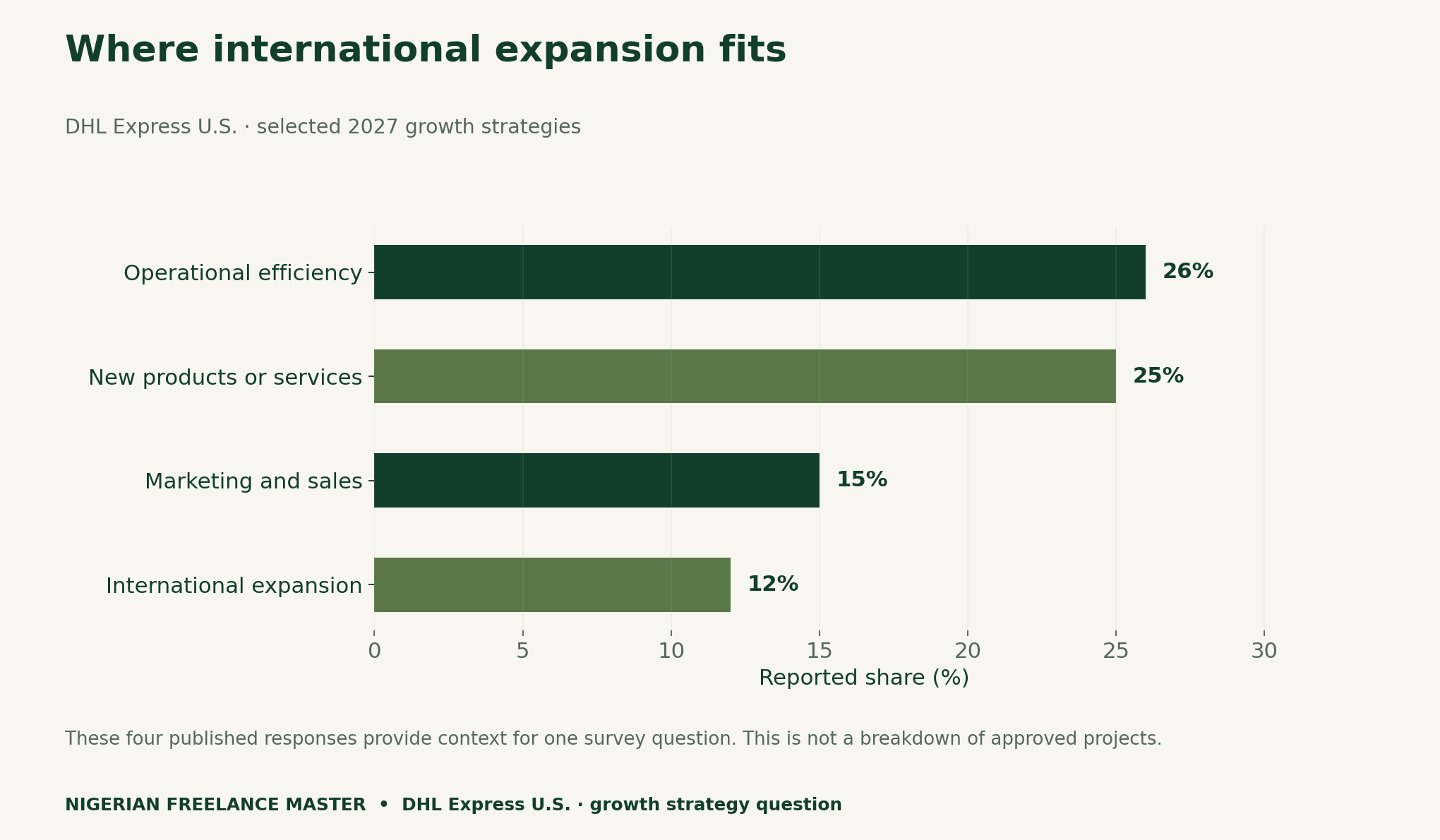
The 11 November 2026 DHL Express U.S. survey summary draws on more than 400 US small and medium business decision-makers. It reports that 12% named international expansion among the selected answers to a growth-strategy question. In a separate market question, 19% pointed to continental Europe and 32% identified no international market.
A freelance localisation handoff starts with one actual market
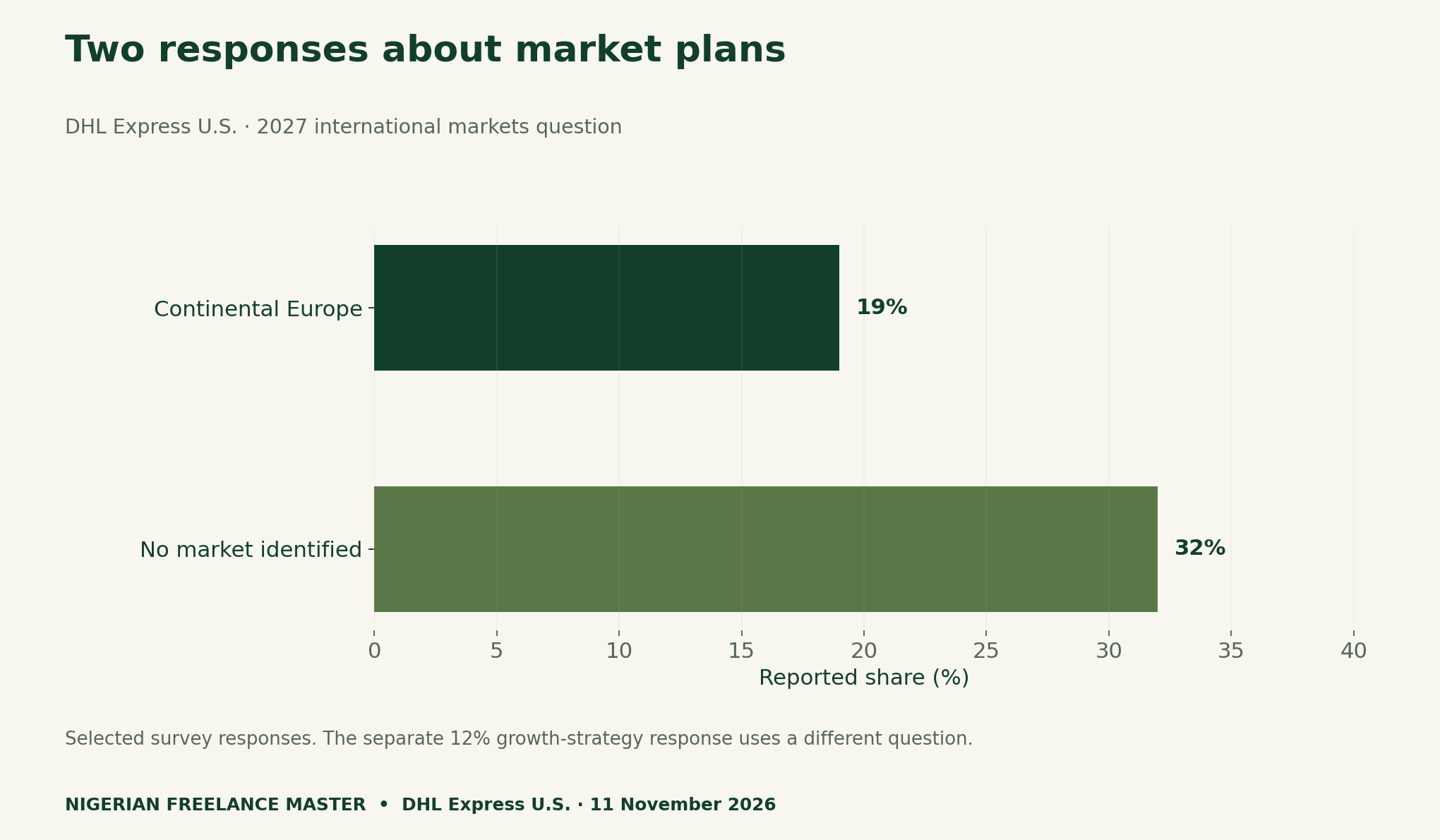
The two questions should stay separate. For example, you cannot divide 19% by 12% to estimate a region’s share of expansion projects. Likewise, survey intentions do not describe signed client work. Confirm the specific country, language and channel with the buyer before scoping the handoff.
Build a versioned inventory
Take a fictional product page for an insulated travel mug. First, get the current source version and name the intended market. Then inventory the product title, description, dimensions, photographs, price display, delivery estimate and returns text. Give every row an asset ID. That ID helps a reviewer find the same item after a page changes.
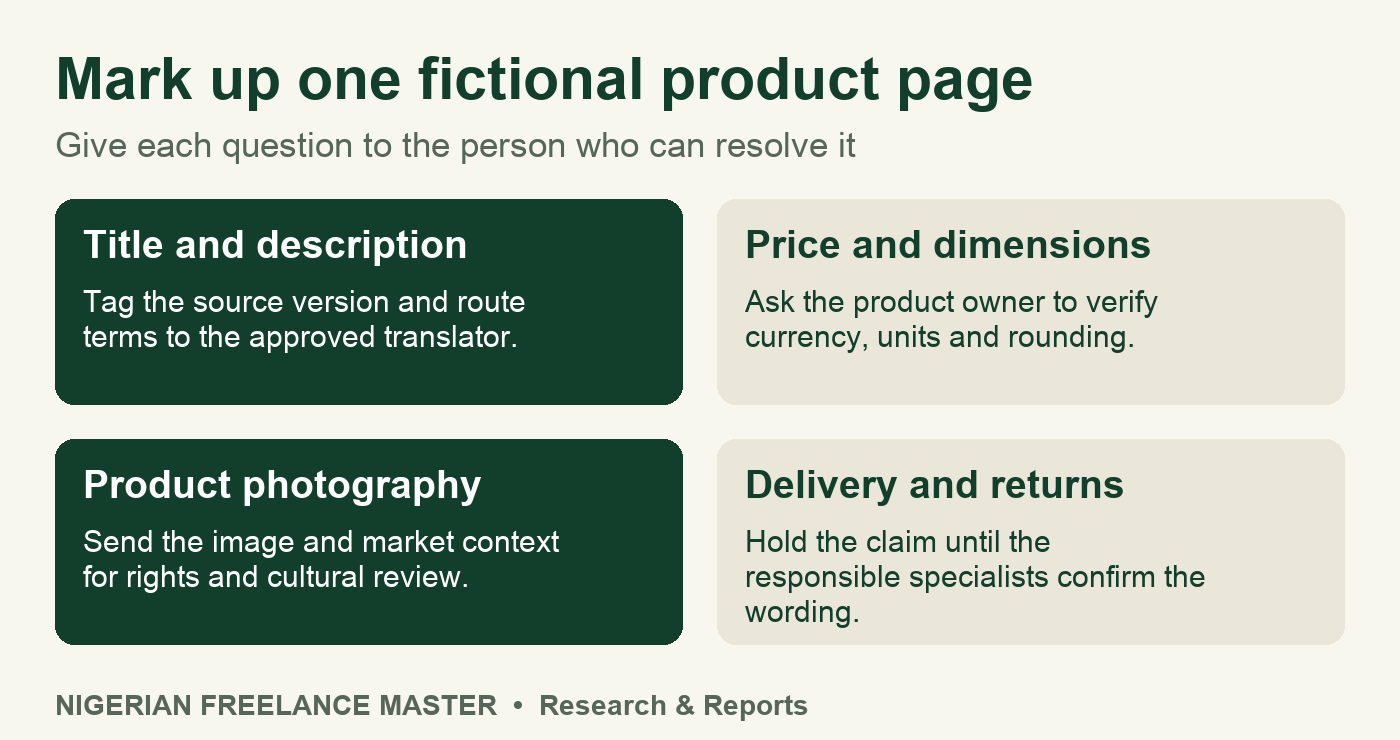
For text, attach a short terminology note and a source version for the approved translator. For units and currency, ask the product owner which specification and display rules they use. Next, show images to the named local reviewer and record the rights check. Send delivery and returns statements to the client’s responsible specialists.
Hand off what is ready and flag what is open
Ask the client to agree the number of assets, the handoff date, and who can change the publish status. In the fictional example, the title goes to the translator while the delivery estimate remains on hold. If the client supplies a newer product sheet, record the new version and reopen the dimensions for review.
At delivery, send one folder with the current inventory, reviewer matrix, source list and open questions. State the unresolved fields in the cover message. For client communication across time zones, see our guide to building trust with international clients.
Methods and downloadable files
The charts use selected responses from DHL’s US executive summary. The summary does not specify detailed field dates or sampling methods. The product example and review tools are original and fictional. The downloadable matrix records who can approve an item and what evidence to ask for.